Guides / Choosing a Supplier
How to Choose a Wood Veneer Supplier: What to Check Before You Order
September 23, 2026
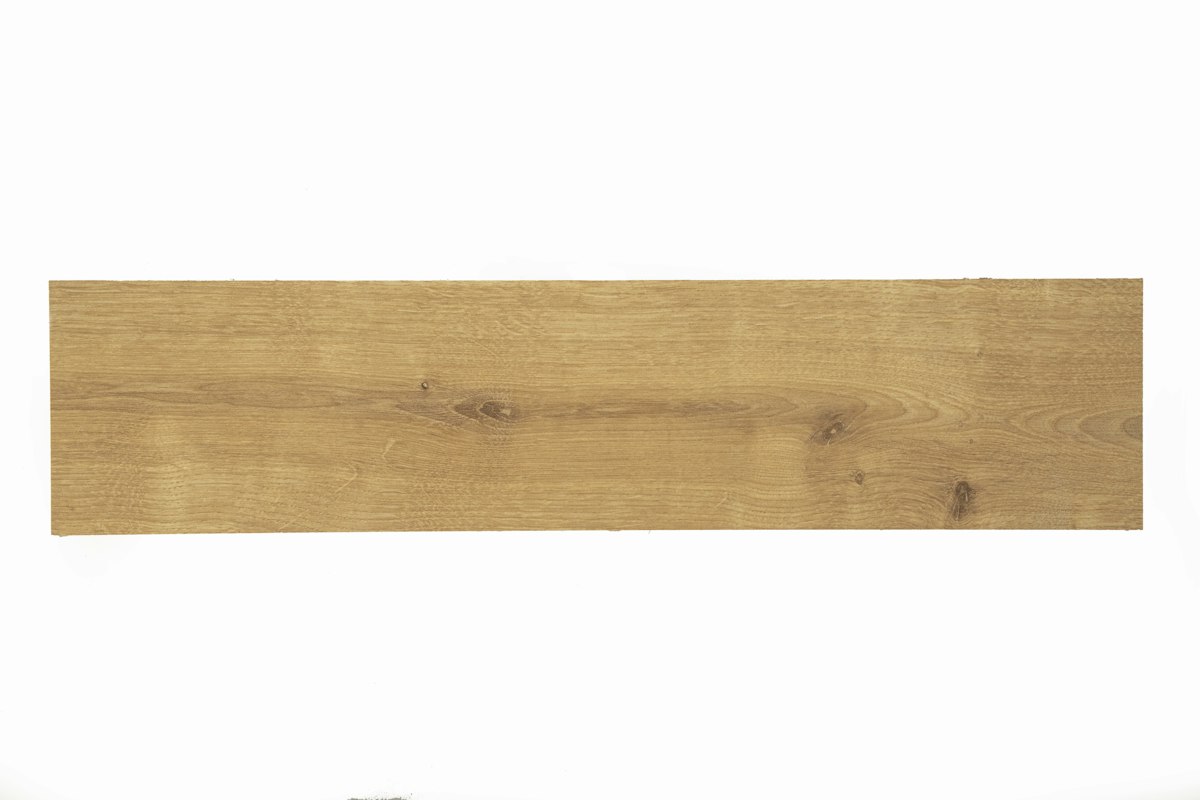
Two veneer suppliers can both say they sell white oak and still be the wrong fit for your job. One slices rift oak in long leaves and sells by the flitch. The other stocks plain sliced paper-backed sheets by the piece. Choosing a supplier is less about finding someone who sells veneer and more about finding someone who sells your species, in your cut, in the form your shop can use.
This guide walks through the checks that matter before you place an order.
Know which kind of supplier you need
Veneer passes through several kinds of companies between the log and your press. Each one sells a different product.
- Slicers and peelers turn logs into veneer. They sell raw leaves by the bundle or the whole flitch, usually in larger quantities.
- Flitch and log dealers hold stock from many mills and sell by the flitch, the bundle or sometimes by the leaf.
- Backers and laminators put a face on paper, a wood backer or a peel and stick adhesive and sell sheets, often 4 x 8 ft or 4 x 10 ft.
- Face splicers join leaves into panel-size faces, called layons, in the match you ask for.
- Reconstituted veneer makers produce engineered veneer with a repeatable figure.
- Edgebanding makers sell veneer in rolls for panel edges.
If you press and splice your own panels, a slicer or a dealer is the natural fit. If you have a press but no one who splices, look for a face splicer. If you have no press at all, you need backed sheets. Knowing this first saves you from quotes for a product you cannot use.
Check the species and the cut, not just the species
Ask for your species and cut together. “Walnut” says very little. Plain sliced walnut, quartered walnut and rotary walnut look different and are priced differently. The same is true of oak, where rift, quarter and plain sliced are close to separate products.
Also ask about leaf size. Rift and quarter leaves are narrower than plain sliced leaves, and long leaves come from large logs. If your panels are 10 ft tall or your design calls for wide leaves with few seams, confirm that the supplier has stock in those sizes before you ask for a price.
Ask how they sell and what the minimum is
Veneer is sold in several units, and the unit changes what you get.
| Unit | What you get | When it fits |
|---|---|---|
| By the leaf or bundle | A number of leaves, often from one flitch | Small jobs, repairs, samples |
| By the flitch | Every leaf from one log section, in slicing order | Sequence matched walls, large runs of doors |
| By the sheet | Backed or spliced faces to a fixed size | Shops without splicing, curved work |
| By the roll | Edgebanding of a set width and length | Panel edges |
Minimums vary a lot. Some dealers sell a single sheet. Some mills only sell full flitches. Ask up front, and if the minimum is larger than your job, ask whether the supplier holds partial flitches or offcuts.
Ask which grading standard they use
“A grade” does not mean the same thing to every supplier. In North America, faces for hardwood plywood are often graded to ANSI/HPVA HP-1, and architectural millwork is often specified to the Architectural Woodwork Standards. Suppliers outside North America may use their own house grades.
Ask which standard the supplier grades to and what it allows in the grade you are buying: color variation, small knots, mineral streaks, pin knots, burls and the number of leaves per face. If your specification calls for a standard, put it on the RFQ so the supplier quotes to the same rules your client will inspect against.
Ask for photos of the actual veneer
For flitch sales and large jobs, a good supplier will send photos of the real leaves. Ask for leaves from the top, middle and bottom of the flitch, shot in daylight with a ruler in the frame. For sheet goods, ask for a physical sample of the same species, cut and grade.
Photos catch the things a species name cannot: color shift across the flitch, heavy fleck where you wanted rift, or figure that is wilder than your design.
Ask how the veneer is stored and shipped
Veneer is thin and reacts quickly to light, heat and humidity. Leaves that dry out can crack or buckle. Species such as cherry darken with light exposure. Ask how stock is stored, whether flitches are kept flat and covered and how orders are packed. Veneer should ship flat, between boards or in a crate, not rolled unless it is paper-backed and made to roll.
When the veneer arrives, open it within a few days, keep it flat and let it settle in your shop before you press.
Check the paperwork before you commit
Paperwork can decide who is able to supply you at all.
- FSC or PEFC. If the job calls for certified wood, the supplier needs a chain of custody certificate and has to show the claim on the invoice. You can check an FSC certificate number in the public FSC database.
- CITES. Some species, including several rosewoods and ebonies, are listed under CITES and need permits to cross borders. Ask for the permit details with the quote.
- Import declarations. Veneer imported into the United States needs a Lacey Act declaration with the species and country of harvest. Buyers in the EU may need due diligence documents under EU timber rules.
Ask for these documents in writing before you order. A supplier that cannot say where the log came from is a risk to your project, whatever the price.
Compare lead time and freight, not only price per square foot
Stock sheets from a dealer may ship in days. Custom spliced faces or a flitch from a mill can take several weeks. Ask for the lead time to ship, the packing method and the freight cost to your door. A lower price per square foot can disappear in crating and freight, especially on small orders shipped across borders.
Red flags
- The supplier cannot tell you the cut, only the species.
- No photos or samples are offered for a large or matched job.
- Grade is described only as “premium” or “top quality” with no standard behind it.
- Paperwork is promised later, after payment.
- Leaf sizes are not stated for a job with tall or wide panels.
A short checklist before you send your RFQ
- Species and cut, with a photo of the look if you have one.
- The form you need: raw leaves, flitch, backed sheet, spliced face or edgebanding.
- Thickness and sheet or leaf size.
- Grade, the standard behind it and the match.
- Square footage plus waste allowance.
- Paperwork: FSC, PEFC, CITES or import declarations.
- Ship-to location and the date you need it on site.
With those seven points on one page, suppliers can tell in a few minutes whether they can quote, and you get fewer quotes for the wrong product.
The whole path from supplier choice to receiving the order is in our guide to wholesale wood veneer.
Frequently asked questions
Should I buy veneer from a mill or a dealer?
Buy from a mill when you need a large quantity of one species and cut, or want a specific log. Buy from a dealer when you need several species, smaller quantities or faster delivery from stock. Many buyers use both.
How much extra veneer should I order for waste?
Most shops add 10 to 20 percent for straight work and more for sequence matched walls, curved work or highly figured species. Agree the allowance with the supplier before you order, because a second batch from a different flitch rarely matches.
Can I see the actual veneer before I buy?
For flitch sales and large jobs, yes. Ask for photos of leaves from the top, middle and bottom of the flitch with a ruler in the frame. For sheet goods, ask for a physical sample of the same species, cut and grade.
Know what you need? Send the spec.
Tell us the species, cut, form and square footage. We pass it to up to 3 veneer suppliers that stock it and reply within 24 business hours.
Send my veneer RFQ